COPPER

A PS Audio Publication

Issue 158 • Free Online Magazine

Issue 158 Featured

Three Days with Frank Sinatra, Part One

Three Days with Frank Sinatra, Part One

Bill and Judy Green hosted parties for the Who’s Who of the day’s society pages. I recognized most of the people who regularly attended, not only from TV and movies but also from the star-studded photos on almost every flat surface and wall of the salon. I used to follow the English housekeeper and nanny, Mrs. Darby, around as she whipped her feather duster over silver frames while telling stories about the beautiful people in them. I’m sure I was the only 12-year-old in the county who was so well-informed about old-time show-biz. Who remembers high-tenor Morton Downey Sr., “The Irish Nightingale,” of Depression-era fame? Well, I do. Back in 1978, I knew him personally. Mr. Downey used to tip me handsomely for washing his car, and it’s safe to say he contributed towards many record albums.


The Green estate was always abuzz before a visit from Frank Sinatra. Frank’s valet, Mikey, arrived early to set up the pool house. Not to be confused with a shack for stowing chlorine and cans of beer, this three-room cottage with a tennis court, pool, and attached sauna was bigger than my grandmother’s farmhouse where I was born. As Mikey laid out Mr. and Mrs. Sinatra’s clothes and toiletries, my parents stocked the kitchen, and Mrs. Darby fitted crisp, carefully laundered French sheets to the bed. As the final touches, a bowl of fresh fruit and bottled water were left as refreshment. Even then, I appreciated these amenities. The water and fruit was achievable for my own room in the east wing of the twenty-one-room mansion, but I don’t think my parents were willing to spend a month’s salary on European bed linens.

Once Frank arrived and got settled, he wanted to discuss the weekend’s menu, so Mrs. Green brought him to the kitchen and introduced him to my mother. Of all the famous people who came to the house, Frank had true international celebrity that reached her childhood village in Slovenia. “This is Maria, our cook,” she said.

My mother swooned as Frank gave her a big kiss on the cheek and said, “hi Marie!”

She usually hated the name Marie the same way my stepfather hated being called Hans instead of Hasan, but my mother didn’t mind when Frank said it. Maybe receiving a new chummy nickname from him made all the extra hours of cooking a little less exhausting. Mrs. Green continued, “and, that’s Maria’s son Tommy.” Everyone called me Tommy – my mother still does. Frank and I didn’t shake hands or anything. It was more of a wave-across-the-room introduction. But for better or worse, he knew who I was.

My parents had worked as live-in servants for wealthy families since we came to America in 1972, and the older I got, the more I hated it. By junior high school, I began creating intricate soap operas explaining how my family, whose most valuable possession was a 1974 Chevy Nova, could possibly live in a Fifth Avenue townhouse, Park Avenue penthouse, Hampton’s beach house, or 15-acre estate in the toniest suburb. Vivid tales portrayed my parents as anything from minor royalty to executives at a big firm, or visiting European professors. I don’t think I was born a serial liar, but I got better over time and managed multiple storylines. Kids my age believed anything I told them. Nosy parents were a bit harder to handle, inspiring some award-winning improvisation if I was ever put on the hot seat. One such instance was the reason I had to abandon my favorite go-to “professor” scenario after a classmate’s confused father started poking holes in my story.

As we were having lunch at a Greek restaurant, he, like a detective, kept asking questions. Each time, I would stuff my mouth to gain a few seconds as I considered my answers. “So, when did your father teach at Northeastern?” I don’t know why I said Northeastern in the first place – I had no idea where it was, but it was in a toss-up with Northwestern, and both sounded equally-generic to me. An intentionally-muddled reply came through mouth full of grape leaves; “um, 1950 through 1955.” My stepfather was nine years old in 1950. “And, where did he go for his doctorate?” Spinach pie filled my maw this time; “um…Oxford, in England,” surely with flakes of phyllo pastry flying onto the table. It’s best not to go too far afield when lying about foreign universities. Go with what you know. “And where does he teach now?” In between bites of moussaka; “Up in…ooh, so hot… in, uh, Harvard.” I knew I botched it but couldn’t think of anything else. It implied that he commuted from New York to Boston. With lunch almost over, I finally stopped the interrogation with the most effective lifeline, “They might be getting divorced… because of his drinking.” That was the most honest thing I said that day. Embarrassment dampened the mood substantially and shut them up. Coming from a dysfunctional family, I was perfectly comfortable in the overhanging awkwardness that ensued, and I could eat my baklava in peace. It was a shame because Hasan really was a teacher back home in Bosnia, and my mother was a nurse. Fearing the Northeastern-grad dad would consult yearbooks and registers, I never spoke to that kid again and certainly never accepted another free lunch. Despite many complications, my parents’ work allowed me to live like a rich kid on the nicest New York real estate.

Sauced

I thought I had the mansion all to myself that summer morning. My parents had gone to the city, and the Greens were at brunch, where I assumed the Sinatras would also be. I blasted Aerosmith at full volume when Mikey banged on my bedroom door. Frank wanted to make marinara for dinner, and I had to help find tomatoes.

I wasn’t sure how any of this related to me. There might be some in the garden or he could go to the A&P and buy the ones wrapped in cellophane. All I wanted was to resume “Draw the Line” before Mikey said, “No. Mr. S needs cans of real tomatoes from Italy (or as he pronounced it, Id-A-lee). Where’s the deli.”

Mikey meant an Italian market and not the store where we bought pastrami and potato salad, so I took him to the village of Mount Kisco in search of tomatoes. He was very cool and confident in his sharp clothes and sleek Cadillac. My stepfather said most Italians were in the mafia – especially the rich and famous ones – and I assumed Mikey was part of Frank’s gang. As we drove up and down Main Street looking for an Italian grocer, I finally asked the single burning question in my mind: “Can I see your gun?” I confided in him that Lou, the off-duty cop who patrolled the Green’s properties, taught me how to fire his – everything from a shotgun to a .357 Magnum. I could be trusted.

“Gun?” Mikey asked, surprised. “I’m an actor who styles hair on the side. Why would I have a gun?”

Mikey drove, dressed, and ironed for Frank but did not shoot for him. It was a real let-down. Just as I was about to follow up with assorted questions about Hollywood, Mikey spotted a flashing neon Italian flag and a sign reading, “Fresh Mozzarella Daily.”

Once inside the shop, I was swallowed up by shelves of olive oil, miles of sausage, giant wheels of cheese, more types of pasta than I ever imagined, and an entire aisle of canned tomatoes. Mikey examined the different brands before grabbing an armful. When we got to the cash register, he peeled a hundred-dollar bill from a wad of money.

“Come on, Rocka-fella, I don’t have change for this!” barked the clerk in his big white stained apron.

The opportunity to reveal my connection to rich and famous came sooner than I expected. “When I tell you who these are for, you’re not going to believe it.” I didn’t wait for him to ask. “Frank Sinatra. He’s staying at my house.”

Instead of being thrilled, impressed, and accommodating, he seemed even more annoyed, “Oh yeah, big shot? Well, tell Ol’ Blue Eyes this ain’t a casino, and it’s too early in the morning for C-notes!”
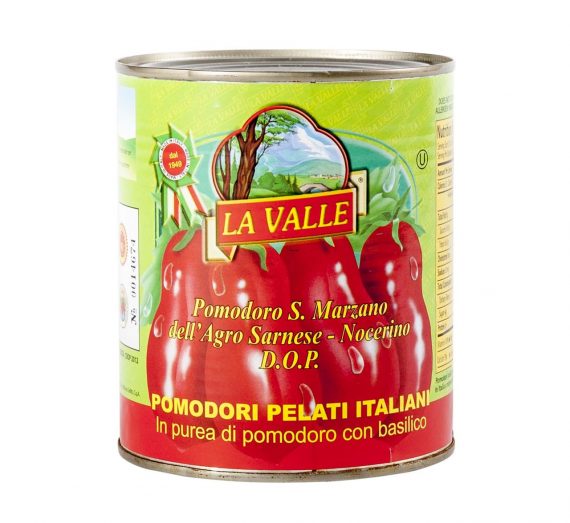
If you're serving to the Chairman of the Board, the tomatoes had better be right!

If you’re serving to the Chairman of the Board, the tomatoes had better be right!


When we returned to the house, Mikey called Mr. S on the intercom. I unpacked the bags and left the cans on the island opposite the eight-burner stove. Before I could head back to my stereo, Mikey said, “Stay here. He might need you.” Me? It was obvious he was pawning Mr. S off on me, and there was nothing I could do about it. Not that I could ever say it aloud, but a recurring thought during my parents’ time of domestic work was, “Okay. I don’t actually work here, but I guess I should help.”

After waiting in the kitchen for about an hour, Frank finally came up from the pool house. Although he was just several inches taller than my mother, Frank presented a grand stature in his Cuban-type short-sleeved shirt and light pants. And then, there was his voice. It’s been described as a light baritone, but whatever the classification, I’m sure it was one of the most commanding voices I’d ever heard in person. Gregory Peck also had an impressive voice, and it was a bit jarring to meet the man who just played Dr. Josef Mengele in The Boys from Brazil (1978), but we only exchanged quick “hellos.”

“They said there was basil in the garden,” Old Blue Eyes said without any niceties that usually precede a major favor. As a kid, I would have fantasized about getting high all day with Steven Tyler. Instead, I got the unexpected, surreal, and quiet experience of spending time with Frank Sinatra, and this living legend needed my help to make his sauce.

I had been helping my mother cook for as long as I could remember but had no idea what fresh basil looked like – I wasn’t using fresh herbs back then. Before I make myself out be a Dickens scullery urchin, I was not forced into child labor. I was just an excellent cook for my age and hanging out in the kitchen was more interesting than watching TV alone. Aside from being drafted by my stepfather to vacuum a room or shine several pounds of Tiffany silverware now and again, I suppose I was a child of privilege and leisure outside of school hours.

I led Mr. S down a pebbled path to the garden at the back of the house. The gardener, Mr. Muller, grew flowers and vegetables on a plot of land between the main house and the cottage where Mrs. Darby lived with her husband, who painted and repaired the mansion’s interior. Mr. Muller and his wife lived just down the path, near the wood and tractor sheds, with three outdoorsy sons who worked all the lawnmowers and machinery. As Frank and I walked together, I tried to think of the last film I had seen him in – maybe it was an old Army movie or some musical on TV.

Should I ask him about the Rat Pack? Mrs. Darby told me all about them, and Rat-Packer Peter Lawford was just visiting last week. I could mention that I watched him on Dean Martin’s Celebrity Roast. I loved those old shows and laughed even when I didn’t fully get the jokes. But nothing came to mind as we made our way past rosebushes, strawberry patches, and lettuce beds until Frank spotted the herbs.

“That’s mint,” Mr. S said, pointing. “That’s parsley.” And then, taking a deep breath, “Ah, there it is… basilico. You can always smell it.”

He bent over and examined the plants for the best leaves. He picked sprigs and placed them gingerly in my cupped hands, and we headed back to the house. He led the way, and I followed with palms of basil in front of me as if I had just received Holy Communion. Back in the kitchen, we talked about the task at hand. I wanted to ask if Don Rickles was mean in real life, but I was too busy finding pots, knives, and ingredients. Then he directed me to open the tomato cans and rinse the basil. “Don’t bruise it or else it turns black!” – and, “Where’s the fresh garlic? Check where the onions are.”

Unlike meat gravy, which requires many hours and ingredients, marinara is a quick, simple preparation. I stood next to Frank, studying every step of a process he orchestrated without a recipe or splashing a drop of oil on his white shirt.

  • Heat a lot of olive oil, preferably from Italy, in a large skillet. Gently toast a couple of garlic cloves. Get rid of them. Add a small chopped onion for every 28oz can of tomatoes. Sauté lightly.
  • Put the Italian plum tomatoes in a blender with some basil. If you can get them, the best tomatoes are pomodori di San Marzano from Naples. Turn the blender on then off immediately. Pour the contents into the skillet with onions, and season with salt, black pepper, and a few pinches of oregano. Use the dry stuff! Fresh oregano doesn’t have the same flavor. Simmer for about 20 minutes until thickened. Adjust seasoning.
  • Just before serving, bring a gallon of water to boil for every pound of pasta. Add salt until it tastes like the ocean. Cook until al dente (soft but not mushy, firm but not crunchy). Finito!

Frank gave the sauce a final taste and spooned out a little for me. Having grown up on jarred sauces, I tried my first homemade marinara. “GREAT!” I wouldn’t have said otherwise, but it was truly the best sauce I had ever tasted.

That night at dinner, I bet loads of compliments were showered on Frank for the sauce – our sauce – when my stepfather served it as the first course. I wondered, did Frank mention that I helped make it all possible? I didn’t try it slathered over a heap of pasta the way everyone else did, because it wasn’t for me, or us, it was for them. And I wasn’t about to eat leftovers from the silver trays and tureens that I polished, so, in protest, I ate sandwiches. That’s why I learned to cook: so I didn’t have to eat boycott-bologna on rye at every meal. Naturally, all prohibitions were suspended when it came to desserts.


After Frank’s departure that weekend, I repeated this recipe for myself whenever I could persuade someone to drive me to the Italian market for cans of San Marzanos and a new shape of pasta. Spaghetti was for beginners. I cooked exotic shapes such as bucatini (pencil-thick spaghetti with a hollow center), paccheri (oversized rigatoni tubes), and fusilli lunghi bucati (two-foot-long corkscrews). Good marinara goes well with any pasta.

Reenacting the cooking demonstration with Frank Sinatra began as a private ritual and consolation meal-for-one, but eventually, I added my own touches like reducing the amount of onion and leaving the garlic in the sauce. I also prefer to s-m-u-s-h the sensual pomodori between my fingers instead of blending. And a whole sprig of basil goes in at the very end for even more aromatic flavor, but it’s still Mr. S’s sauce and it became more delicious every time I shared it with others – always with the preface, “You will never guess who showed me how to make marinara.”

More from Issue 158

View All Articles in Issue 158

Search Copper Magazine

#228 Serita’s Black Rose Duo Shakes Your Soul With a Blend of Funk, Rock, Blues and a Whole Lot More by Frank Doris Mar 02, 2026 #228 Vinyl, A Love Story by Wayne Robins Mar 02, 2026 #228 Thrill Seeker by B. Jan Montana Mar 02, 2026 #228 The Vinyl Beat: Donald Byrd, Bill Evans, Wes Montgomery, Eddie Palmieri and Frank Sinatra by Rudy Radelic Mar 02, 2026 #228 Listening to Prestige: The History of a Vitally Important Jazz Record Label by Frank Doris Mar 02, 2026 #228 How to Play in a Rock Band, 21: Touring With James Lee Stanley by Frank Doris Mar 02, 2026 #228 The NAMM 2026 Show: The Music Industry’s Premier Event by John Volanski Mar 02, 2026 #228 The Earliest Stars of Country Music, Part Two by Jeff Weiner Mar 02, 2026 #228 From The Audiophile's Guide: A Brief History of Stereophonic Sound by Paul McGowan Mar 02, 2026 #228 A Bone to Pick With Streaming Audio by Frank Doris Mar 02, 2026 #228 Blast Off With Bluesman Duke Robillard by Ray Chelstowski Mar 02, 2026 #228 A Visit to the Marten Loudspeaker Factory in Göteborg, Sweden by Ingo Schulz and Sebastian Polcyn Mar 02, 2026 #228 Pure Distortion by Peter Xeni Mar 02, 2026 #228 A Nagra Factory Tour by Markus "Marsu" Manthey Mar 02, 2026 #228 Back to My Reel-to-Reel Roots, Part 27: Noodge and Ye Shall Receive, Part Two by Ken Kessler Mar 02, 2026 #228 PS Audio in the News by PS Audio Staff Mar 02, 2026 #228 90-Degree Stereo by Frank Doris Mar 02, 2026 #228 The Keys to Art by Rich Isaacs Mar 02, 2026 #227 Seth Lewis Gets in the Groove With Take a Look Around: a Tribute to the Meters by Frank Doris Feb 02, 2026 #227 Passport to Sound: May Anwar’s Audio Learning Experience for Young People by Frank Doris Feb 02, 2026 #227 Conjectures on Cosmic Consciousness by B. Jan Montana Feb 02, 2026 #227 The Big Takeover Turns 45 by Wayne Robins Feb 02, 2026 #227 Music and Chocolate: On the Sensory Connection by Joe Caplan Feb 02, 2026 #227 Singer/Songwriter Chris Berardo: Getting Wilder All the Time by Ray Chelstowski Feb 02, 2026 #227 The Earliest Stars of Country Music, Part One by Jeff Weiner Feb 02, 2026 #227 The Vinyl Beat Goes Down to Tijuana (By Way of Los Angeles), Part Two by Rudy Radelic Feb 02, 2026 #227 How to Play in a Rock Band, 20: On the Road With Blood, Sweat & Tears’ Guitarist Gabe Cummins by Frank Doris Feb 02, 2026 #227 From The Audiophile’s Guide: Audio Specs and Measuring by Paul McGowan Feb 02, 2026 #227 Our Brain is Always Listening by Peter Trübner Feb 02, 2026 #227 PS Audio in the News by PS Audio Staff Feb 02, 2026 #227 The Listening Chair: Sleek Style and Sound From the Luxman L3 by Howard Kneller Feb 02, 2026 #227 The Los Angeles and Orange County Audio Society Celebrates Its 32nd Anniversary, Honoring David and Sheryl Lee Wilson and Bernie Grundman by Harris Fogel Feb 02, 2026 #227 Back to My Reel-to-Reel Roots, Part 26: Half Full – Not Half Empty, Redux by Ken Kessler Feb 02, 2026 #227 That's What Puzzles Us... by Frank Doris Feb 02, 2026 #227 Record-Breaking by Peter Xeni Feb 02, 2026 #227 The Long and Winding Road by B. Jan Montana Feb 02, 2026 #226 JJ Murphy’s Sleep Paralysis is a Genre-Bending Musical Journey Through Jazz, Fusion and More by Frank Doris Jan 05, 2026 #226 Stewardship by Consent by B. Jan Montana Jan 05, 2026 #226 Food, Music, and Sensory Experience: An Interview With Professor Jonathan Zearfoss of the Culinary Institute of America by Joe Caplan Jan 05, 2026 #226 Studio Confidential: A Who’s Who of Recording Engineers Tell Their Stories by Frank Doris Jan 05, 2026 #226 Pilot Radio is Reborn, 50 Years Later: Talking With CEO Barak Epstein by Frank Doris Jan 05, 2026 #226 The Vinyl Beat Goes Down to Tijuana (By Way of Los Angeles), Part One by Rudy Radelic Jan 05, 2026 #226 Capital Audiofest 2025: Must-See Stereo, Part Two by Frank Doris Jan 05, 2026 #226 My Morning Jacket’s Carl Broemel and Tyler Ramsey Collaborate on Their Acoustic Guitar Album, Celestun by Ray Chelstowski Jan 05, 2026 #226 The People Who Make Audio Happen: CanJam SoCal 2025, Part Two by Harris Fogel Jan 05, 2026 #226 How to Play in a Rock Band, 19: Touring Can Make You Crazy, Part One by Frank Doris Jan 05, 2026 #226 Linda Ronstadt Goes Bigger by Wayne Robins Jan 05, 2026

Three Days with Frank Sinatra, Part One

Three Days with Frank Sinatra, Part One

Bill and Judy Green hosted parties for the Who’s Who of the day’s society pages. I recognized most of the people who regularly attended, not only from TV and movies but also from the star-studded photos on almost every flat surface and wall of the salon. I used to follow the English housekeeper and nanny, Mrs. Darby, around as she whipped her feather duster over silver frames while telling stories about the beautiful people in them. I’m sure I was the only 12-year-old in the county who was so well-informed about old-time show-biz. Who remembers high-tenor Morton Downey Sr., “The Irish Nightingale,” of Depression-era fame? Well, I do. Back in 1978, I knew him personally. Mr. Downey used to tip me handsomely for washing his car, and it’s safe to say he contributed towards many record albums.


The Green estate was always abuzz before a visit from Frank Sinatra. Frank’s valet, Mikey, arrived early to set up the pool house. Not to be confused with a shack for stowing chlorine and cans of beer, this three-room cottage with a tennis court, pool, and attached sauna was bigger than my grandmother’s farmhouse where I was born. As Mikey laid out Mr. and Mrs. Sinatra’s clothes and toiletries, my parents stocked the kitchen, and Mrs. Darby fitted crisp, carefully laundered French sheets to the bed. As the final touches, a bowl of fresh fruit and bottled water were left as refreshment. Even then, I appreciated these amenities. The water and fruit was achievable for my own room in the east wing of the twenty-one-room mansion, but I don’t think my parents were willing to spend a month’s salary on European bed linens.

Once Frank arrived and got settled, he wanted to discuss the weekend’s menu, so Mrs. Green brought him to the kitchen and introduced him to my mother. Of all the famous people who came to the house, Frank had true international celebrity that reached her childhood village in Slovenia. “This is Maria, our cook,” she said.

My mother swooned as Frank gave her a big kiss on the cheek and said, “hi Marie!”

She usually hated the name Marie the same way my stepfather hated being called Hans instead of Hasan, but my mother didn’t mind when Frank said it. Maybe receiving a new chummy nickname from him made all the extra hours of cooking a little less exhausting. Mrs. Green continued, “and, that’s Maria’s son Tommy.” Everyone called me Tommy – my mother still does. Frank and I didn’t shake hands or anything. It was more of a wave-across-the-room introduction. But for better or worse, he knew who I was.

My parents had worked as live-in servants for wealthy families since we came to America in 1972, and the older I got, the more I hated it. By junior high school, I began creating intricate soap operas explaining how my family, whose most valuable possession was a 1974 Chevy Nova, could possibly live in a Fifth Avenue townhouse, Park Avenue penthouse, Hampton’s beach house, or 15-acre estate in the toniest suburb. Vivid tales portrayed my parents as anything from minor royalty to executives at a big firm, or visiting European professors. I don’t think I was born a serial liar, but I got better over time and managed multiple storylines. Kids my age believed anything I told them. Nosy parents were a bit harder to handle, inspiring some award-winning improvisation if I was ever put on the hot seat. One such instance was the reason I had to abandon my favorite go-to “professor” scenario after a classmate’s confused father started poking holes in my story.

As we were having lunch at a Greek restaurant, he, like a detective, kept asking questions. Each time, I would stuff my mouth to gain a few seconds as I considered my answers. “So, when did your father teach at Northeastern?” I don’t know why I said Northeastern in the first place – I had no idea where it was, but it was in a toss-up with Northwestern, and both sounded equally-generic to me. An intentionally-muddled reply came through mouth full of grape leaves; “um, 1950 through 1955.” My stepfather was nine years old in 1950. “And, where did he go for his doctorate?” Spinach pie filled my maw this time; “um…Oxford, in England,” surely with flakes of phyllo pastry flying onto the table. It’s best not to go too far afield when lying about foreign universities. Go with what you know. “And where does he teach now?” In between bites of moussaka; “Up in…ooh, so hot… in, uh, Harvard.” I knew I botched it but couldn’t think of anything else. It implied that he commuted from New York to Boston. With lunch almost over, I finally stopped the interrogation with the most effective lifeline, “They might be getting divorced… because of his drinking.” That was the most honest thing I said that day. Embarrassment dampened the mood substantially and shut them up. Coming from a dysfunctional family, I was perfectly comfortable in the overhanging awkwardness that ensued, and I could eat my baklava in peace. It was a shame because Hasan really was a teacher back home in Bosnia, and my mother was a nurse. Fearing the Northeastern-grad dad would consult yearbooks and registers, I never spoke to that kid again and certainly never accepted another free lunch. Despite many complications, my parents’ work allowed me to live like a rich kid on the nicest New York real estate.

Sauced

I thought I had the mansion all to myself that summer morning. My parents had gone to the city, and the Greens were at brunch, where I assumed the Sinatras would also be. I blasted Aerosmith at full volume when Mikey banged on my bedroom door. Frank wanted to make marinara for dinner, and I had to help find tomatoes.

I wasn’t sure how any of this related to me. There might be some in the garden or he could go to the A&P and buy the ones wrapped in cellophane. All I wanted was to resume “Draw the Line” before Mikey said, “No. Mr. S needs cans of real tomatoes from Italy (or as he pronounced it, Id-A-lee). Where’s the deli.”

Mikey meant an Italian market and not the store where we bought pastrami and potato salad, so I took him to the village of Mount Kisco in search of tomatoes. He was very cool and confident in his sharp clothes and sleek Cadillac. My stepfather said most Italians were in the mafia – especially the rich and famous ones – and I assumed Mikey was part of Frank’s gang. As we drove up and down Main Street looking for an Italian grocer, I finally asked the single burning question in my mind: “Can I see your gun?” I confided in him that Lou, the off-duty cop who patrolled the Green’s properties, taught me how to fire his – everything from a shotgun to a .357 Magnum. I could be trusted.

“Gun?” Mikey asked, surprised. “I’m an actor who styles hair on the side. Why would I have a gun?”

Mikey drove, dressed, and ironed for Frank but did not shoot for him. It was a real let-down. Just as I was about to follow up with assorted questions about Hollywood, Mikey spotted a flashing neon Italian flag and a sign reading, “Fresh Mozzarella Daily.”

Once inside the shop, I was swallowed up by shelves of olive oil, miles of sausage, giant wheels of cheese, more types of pasta than I ever imagined, and an entire aisle of canned tomatoes. Mikey examined the different brands before grabbing an armful. When we got to the cash register, he peeled a hundred-dollar bill from a wad of money.

“Come on, Rocka-fella, I don’t have change for this!” barked the clerk in his big white stained apron.

The opportunity to reveal my connection to rich and famous came sooner than I expected. “When I tell you who these are for, you’re not going to believe it.” I didn’t wait for him to ask. “Frank Sinatra. He’s staying at my house.”

Instead of being thrilled, impressed, and accommodating, he seemed even more annoyed, “Oh yeah, big shot? Well, tell Ol’ Blue Eyes this ain’t a casino, and it’s too early in the morning for C-notes!”

If you're serving to the Chairman of the Board, the tomatoes had better be right!

If you’re serving to the Chairman of the Board, the tomatoes had better be right!


When we returned to the house, Mikey called Mr. S on the intercom. I unpacked the bags and left the cans on the island opposite the eight-burner stove. Before I could head back to my stereo, Mikey said, “Stay here. He might need you.” Me? It was obvious he was pawning Mr. S off on me, and there was nothing I could do about it. Not that I could ever say it aloud, but a recurring thought during my parents’ time of domestic work was, “Okay. I don’t actually work here, but I guess I should help.”

After waiting in the kitchen for about an hour, Frank finally came up from the pool house. Although he was just several inches taller than my mother, Frank presented a grand stature in his Cuban-type short-sleeved shirt and light pants. And then, there was his voice. It’s been described as a light baritone, but whatever the classification, I’m sure it was one of the most commanding voices I’d ever heard in person. Gregory Peck also had an impressive voice, and it was a bit jarring to meet the man who just played Dr. Josef Mengele in The Boys from Brazil (1978), but we only exchanged quick “hellos.”

“They said there was basil in the garden,” Old Blue Eyes said without any niceties that usually precede a major favor. As a kid, I would have fantasized about getting high all day with Steven Tyler. Instead, I got the unexpected, surreal, and quiet experience of spending time with Frank Sinatra, and this living legend needed my help to make his sauce.

I had been helping my mother cook for as long as I could remember but had no idea what fresh basil looked like – I wasn’t using fresh herbs back then. Before I make myself out be a Dickens scullery urchin, I was not forced into child labor. I was just an excellent cook for my age and hanging out in the kitchen was more interesting than watching TV alone. Aside from being drafted by my stepfather to vacuum a room or shine several pounds of Tiffany silverware now and again, I suppose I was a child of privilege and leisure outside of school hours.

I led Mr. S down a pebbled path to the garden at the back of the house. The gardener, Mr. Muller, grew flowers and vegetables on a plot of land between the main house and the cottage where Mrs. Darby lived with her husband, who painted and repaired the mansion’s interior. Mr. Muller and his wife lived just down the path, near the wood and tractor sheds, with three outdoorsy sons who worked all the lawnmowers and machinery. As Frank and I walked together, I tried to think of the last film I had seen him in – maybe it was an old Army movie or some musical on TV.

Should I ask him about the Rat Pack? Mrs. Darby told me all about them, and Rat-Packer Peter Lawford was just visiting last week. I could mention that I watched him on Dean Martin’s Celebrity Roast. I loved those old shows and laughed even when I didn’t fully get the jokes. But nothing came to mind as we made our way past rosebushes, strawberry patches, and lettuce beds until Frank spotted the herbs.

“That’s mint,” Mr. S said, pointing. “That’s parsley.” And then, taking a deep breath, “Ah, there it is… basilico. You can always smell it.”

He bent over and examined the plants for the best leaves. He picked sprigs and placed them gingerly in my cupped hands, and we headed back to the house. He led the way, and I followed with palms of basil in front of me as if I had just received Holy Communion. Back in the kitchen, we talked about the task at hand. I wanted to ask if Don Rickles was mean in real life, but I was too busy finding pots, knives, and ingredients. Then he directed me to open the tomato cans and rinse the basil. “Don’t bruise it or else it turns black!” – and, “Where’s the fresh garlic? Check where the onions are.”

Unlike meat gravy, which requires many hours and ingredients, marinara is a quick, simple preparation. I stood next to Frank, studying every step of a process he orchestrated without a recipe or splashing a drop of oil on his white shirt.

  • Heat a lot of olive oil, preferably from Italy, in a large skillet. Gently toast a couple of garlic cloves. Get rid of them. Add a small chopped onion for every 28oz can of tomatoes. Sauté lightly.
  • Put the Italian plum tomatoes in a blender with some basil. If you can get them, the best tomatoes are pomodori di San Marzano from Naples. Turn the blender on then off immediately. Pour the contents into the skillet with onions, and season with salt, black pepper, and a few pinches of oregano. Use the dry stuff! Fresh oregano doesn’t have the same flavor. Simmer for about 20 minutes until thickened. Adjust seasoning.
  • Just before serving, bring a gallon of water to boil for every pound of pasta. Add salt until it tastes like the ocean. Cook until al dente (soft but not mushy, firm but not crunchy). Finito!

Frank gave the sauce a final taste and spooned out a little for me. Having grown up on jarred sauces, I tried my first homemade marinara. “GREAT!” I wouldn’t have said otherwise, but it was truly the best sauce I had ever tasted.

That night at dinner, I bet loads of compliments were showered on Frank for the sauce – our sauce – when my stepfather served it as the first course. I wondered, did Frank mention that I helped make it all possible? I didn’t try it slathered over a heap of pasta the way everyone else did, because it wasn’t for me, or us, it was for them. And I wasn’t about to eat leftovers from the silver trays and tureens that I polished, so, in protest, I ate sandwiches. That’s why I learned to cook: so I didn’t have to eat boycott-bologna on rye at every meal. Naturally, all prohibitions were suspended when it came to desserts.


After Frank’s departure that weekend, I repeated this recipe for myself whenever I could persuade someone to drive me to the Italian market for cans of San Marzanos and a new shape of pasta. Spaghetti was for beginners. I cooked exotic shapes such as bucatini (pencil-thick spaghetti with a hollow center), paccheri (oversized rigatoni tubes), and fusilli lunghi bucati (two-foot-long corkscrews). Good marinara goes well with any pasta.

Reenacting the cooking demonstration with Frank Sinatra began as a private ritual and consolation meal-for-one, but eventually, I added my own touches like reducing the amount of onion and leaving the garlic in the sauce. I also prefer to s-m-u-s-h the sensual pomodori between my fingers instead of blending. And a whole sprig of basil goes in at the very end for even more aromatic flavor, but it’s still Mr. S’s sauce and it became more delicious every time I shared it with others – always with the preface, “You will never guess who showed me how to make marinara.”

0 comments

Leave a comment

0 Comments

Your avatar

Loading comments...

🗑️ Delete Comment

Enter moderator password to delete this comment:

✏️ Edit Comment

Enter your email to verify ownership: