
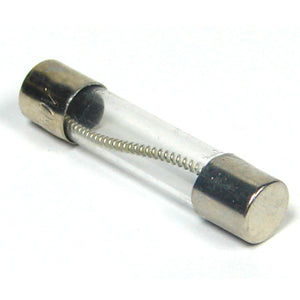
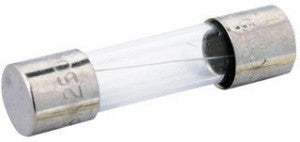
 These are simple devices. The fastblo on the right is the single whisker of wire, the sloblo on the left a heavier, coiled conductor. The reason one is used over the other may be interesting to you.
The sloblo fuse, found in the AC input of most audio equipment, takes its time because we don't want to lose the fuse the moment the product is powered up. When a piece of equipment first receives power from the wall, there is an incoming surge as the power supply capacitors fill up. Once full, the power requirements drop. The fuse has to be stout enough to withstand the inrush current, but weak enough to melt if the long term power runs too high.
Fastblo fuses serve a different purpose. Placed in a speaker, their value is their quickness. A tweeter cannot handle too much power for any length of time and there is no initial inrush current. Fastblo fuses protect without compromise. Exceed power limits and the tiny wire melts and breaks the connection, saving the tweeter from damage.
Each type of fuse has its own sonic signature and you can begin to guess part of the reason why, simply by looking at their two construction techniques. Pay particular attention to the wire thickness.
We'll cover more tomorrow.
These are simple devices. The fastblo on the right is the single whisker of wire, the sloblo on the left a heavier, coiled conductor. The reason one is used over the other may be interesting to you.
The sloblo fuse, found in the AC input of most audio equipment, takes its time because we don't want to lose the fuse the moment the product is powered up. When a piece of equipment first receives power from the wall, there is an incoming surge as the power supply capacitors fill up. Once full, the power requirements drop. The fuse has to be stout enough to withstand the inrush current, but weak enough to melt if the long term power runs too high.
Fastblo fuses serve a different purpose. Placed in a speaker, their value is their quickness. A tweeter cannot handle too much power for any length of time and there is no initial inrush current. Fastblo fuses protect without compromise. Exceed power limits and the tiny wire melts and breaks the connection, saving the tweeter from damage.
Each type of fuse has its own sonic signature and you can begin to guess part of the reason why, simply by looking at their two construction techniques. Pay particular attention to the wire thickness.
We'll cover more tomorrow.

0 comments